

I. Customer Background
This is a medium-sized steel processing enterprise in Gauteng Province, South Africa, mainly producing construction steel. The cooling water system of this plant has been in operation for a long time, and the water source is recycled industrial water. The water contains a large amount of suspended particles, mainly including iron filings, sand, and a small amount of oil. The customer’s original filter equipment was a simple bag-type filter, which required frequent manual replacement of filter bags, seriously affecting production efficiency.
II. Customer Pain Points
This steel factory encountered multiple filtration problems during the production process. The original bag-type filter would get clogged every four to six hours, requiring a shutdown to replace the filter bags. Each replacement process took approximately one hour, resulting in a daily downtime of three to four hours. Frequent manual operations led to high maintenance costs, and the system lacked real-time monitoring capabilities, making it impossible to detect blockages in a timely manner. As a result, the cooling water flow became unstable, which directly affected the cooling effect of the rolling steel equipment and occasionally caused overheating alarms.
III. Solution
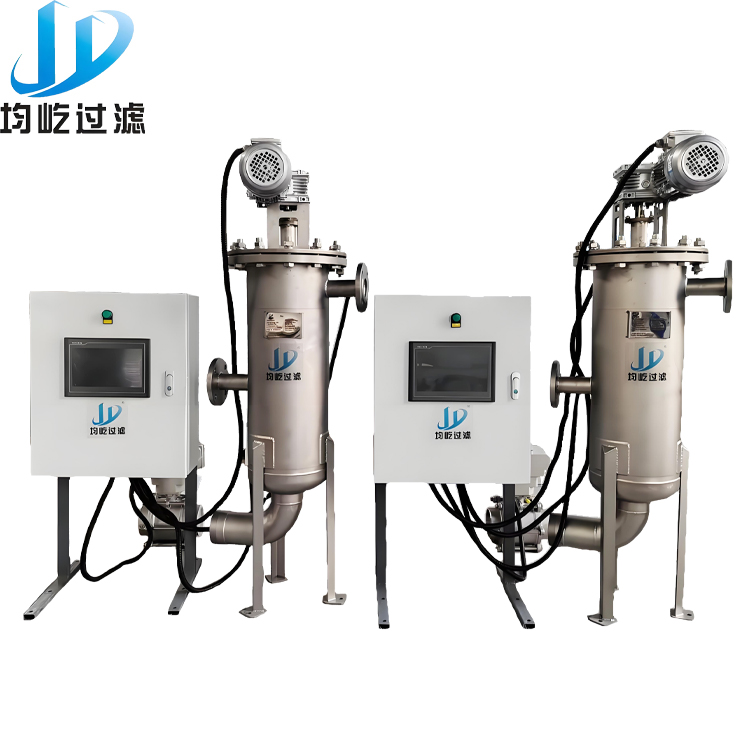
We recommended the following configured self-cleaning filters for our customers. The filter cylinder has a diameter of DN250 and an outer diameter of 273 millimeters. The cylinder material is SS304 stainless steel and has undergone sandblasting treatment. The filter element uses a 50-micron wedge-shaped mesh and is also made of SS304. The sealing piece is made of fluororubber, with good oil resistance and temperature resistance. The cleaning method is an internal scraper structure, and the scraper material is 304 stainless steel. The inlet and outlet dimensions are DN50 flanges, following the DIN standard. The discharge port size is DN100, equipped with an electric ball valve, and uses a downward discharge method. The equipment design pressure is 1.0 megapascal, and the working pressure is 0.6 megapascal. The control aspect uses PLC control, equipped with a large LCD display, and the motor power is 0.75 kilowatts. The equipment also comes with a differential pressure sensor, which can be connected to the PLC. Users can set the differential pressure cleaning value according to the actual working conditions. This equipment is installed on the main water supply pipe, using an online installation method, without the need to change the original pipeline layout.
IV. Usage Effect
After the equipment had been in operation for three months, our company conducted a follow-up visit. The customer reported that the effect was excellent. In terms of filtration effect, the effluent was clear and the removal rate of suspended solids reached over 95%. In terms of automated operation, when the pressure difference reached the user-defined 0.05 megapascal, the equipment automatically started the scraper for cleaning, and no manual intervention was required throughout the process. In terms of continuous production, the cleaning process maintained continuous water supply, and production did not stop due to filtration issues. In terms of maintenance workload, previously, filter bags needed to be replaced six times a day, but now, only a check of the equipment every two months is required. In terms of sewage discharge effect, the DN100 large-diameter electric sewage valve discharged smoothly, and impurities would not clog the valve. In terms of fault warning, the PLC large-screen displayed the operating status in real time, and when an abnormality occurred, an automatic alarm was triggered.
V. Customer Feedback
The equipment maintenance supervisor of this factory stated that this self-cleaning filter has completely resolved their problem of cooling water blockage. Previously, they had to stop the machine every few hours to replace the filter bags, which caused a lot of headaches for the workers. Now the equipment operates automatically, and they only need to occasionally check the data on the LCD screen. The SS304 material is very durable. The local water quality in South Africa is relatively hard, but there has been no sign of corrosion after using it for three months. The design for discharging wastewater is also very practical. The discharged impurities are very dry and do not cause water to flow everywhere. They plan to purchase two more units next year for use in other production lines.
VI. Case Summary
This case demonstrates that the DN250 cylinder combined with the DN50 inlet and outlet self-cleaning filter is highly suitable for medium-flow industrial circulating water systems. The 50-micron wedge-shaped filter element, paired with a 304 inner scraper, can effectively intercept metal particles and sediment-like impurities. The PLC differential pressure control combined with a large screen display significantly reduces the cost of manual maintenance and enables the filtration process to operate without human intervention.
VII. Customization Instructions
The equipment parameters in this case can be customized according to the actual working conditions of the customer, including but not limited to the cylinder diameter, filtration accuracy, inlet and outlet connection standards, sealing material, explosion-proof requirements, etc. If you need a solution design based on your water quality or process conditions, please feel free to contact us.
Post time: May-27-2026